
This season's game is BIOBUZZ, presented by RTX. It’s part of the FIRST CANOPY season, built around the energy of the natural world. The scoring elements are Pollen, 3-inch plastic balls you pick up off the field, from the walls and corners, and during autonomous. The full manual came out at kickoff on September 12, 2026. Right now we’re practicing with Pollen and prototyping the intake and drivetrain.
We’re building a swerve drivetrain from scratch. It has four modules that each steer on their own, so the robot can drive in any direction without turning first. Most rookie teams use tank or mecanum drive because they’re simpler. We chose the harder option. The custom plates, odometry, and driver controls are still in progress, so this page will change as we go.
why swerve
There are three common ways to drive a robot around the field. We compared all three and chose the hardest one on purpose.
Mobility
wins matches.
Four modules means four times the chances for a part to be wrong. If the drivetrain isn’t reliable by our first meet, nothing else on the robot matters. So we built all four from the same drawing and tune them together, not one at a time.
The code is harder too. Swerve needs its own math, four steering encoders, and offsets that all have to match. We plan to write it ourselves instead of using a library, but that isn’t final yet.
Custom parts can’t be replaced from a spare-parts bag at competition. We’ll make spares of the parts most likely to break before our first meet, and we’re keeping a mecanum drivetrain as a backup.
shift log
What we did, what broke, and what we changed. We keep the failures in because they teach us the most.
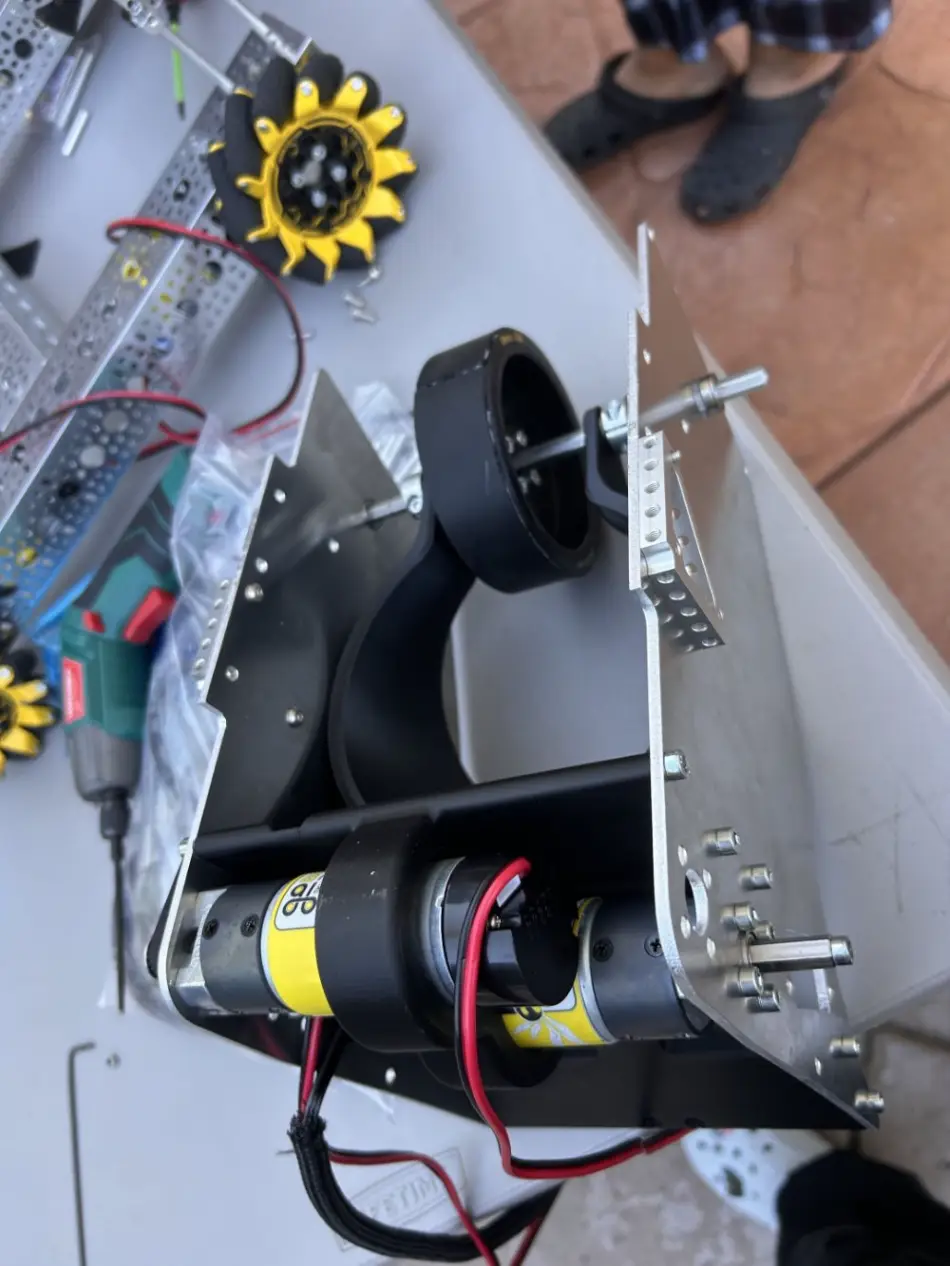
Four steering modules we designed ourselves instead of buying. All four are built and turning. The CAD above shows where the design stands, and the rest of the robot is built around it.
in the shop
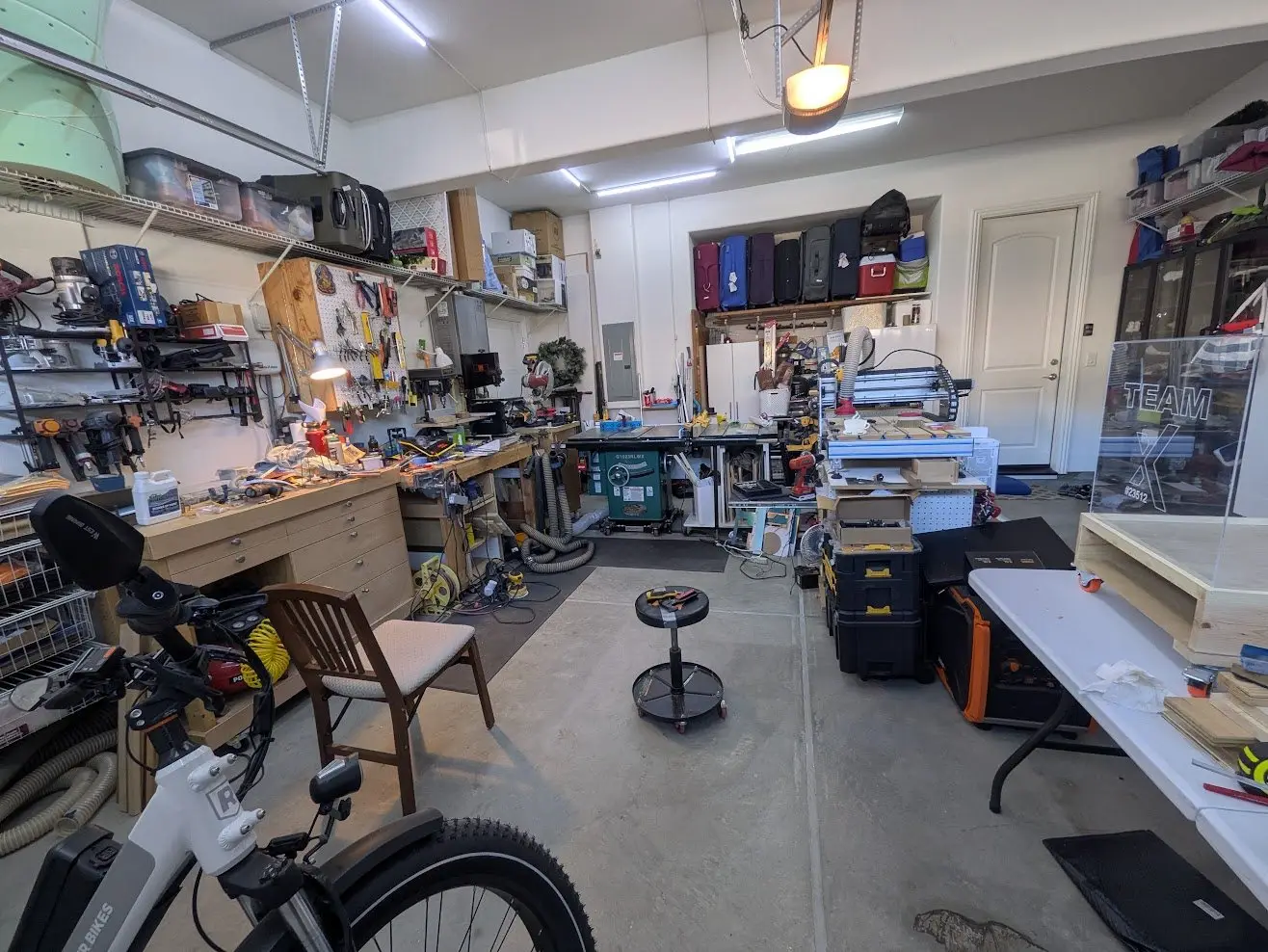
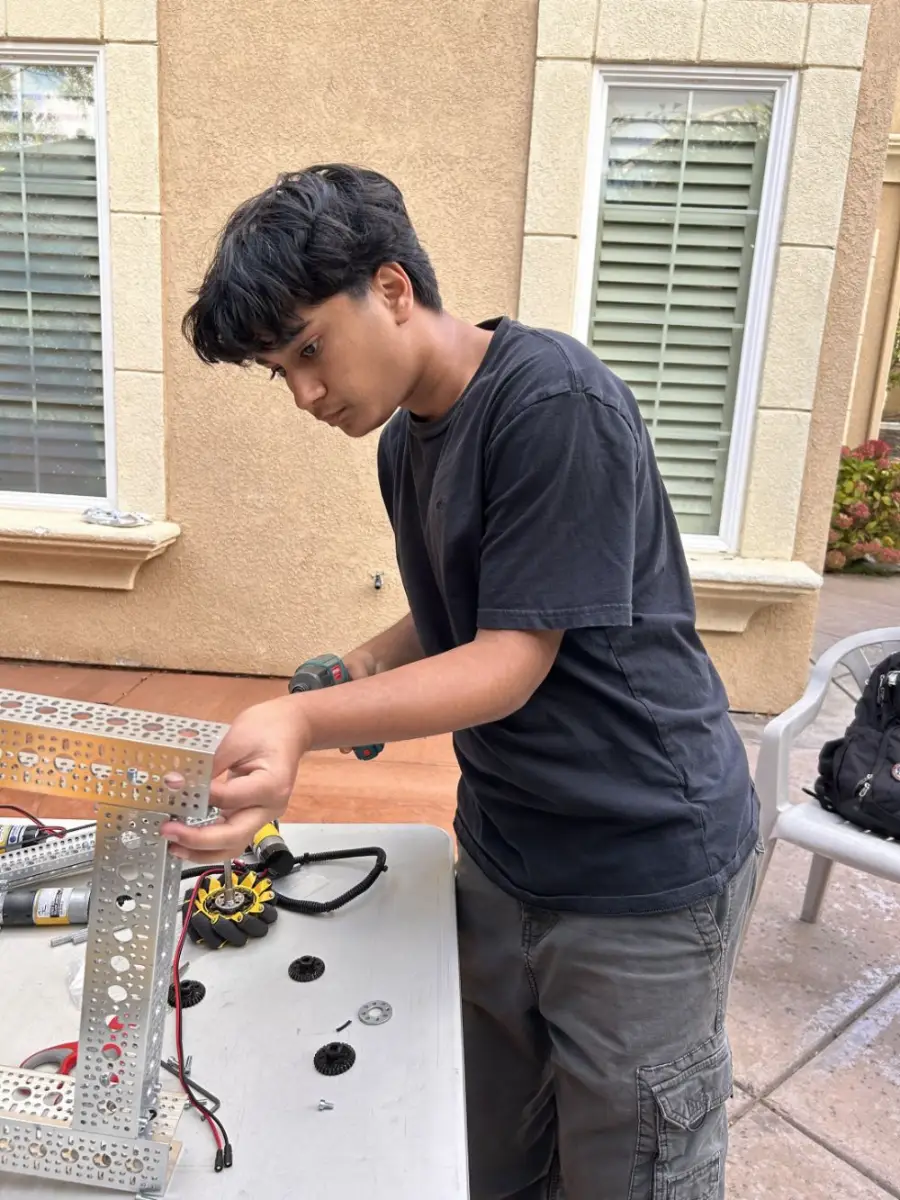
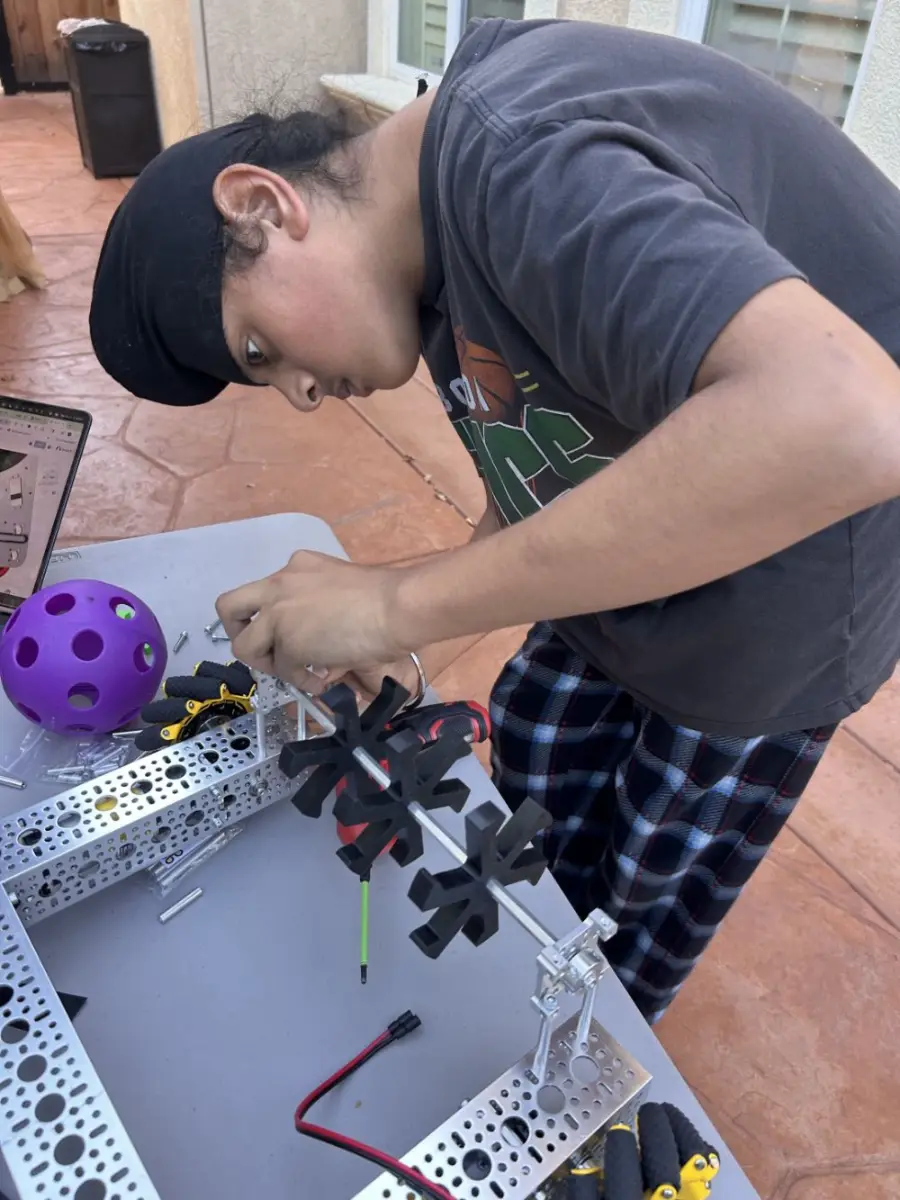
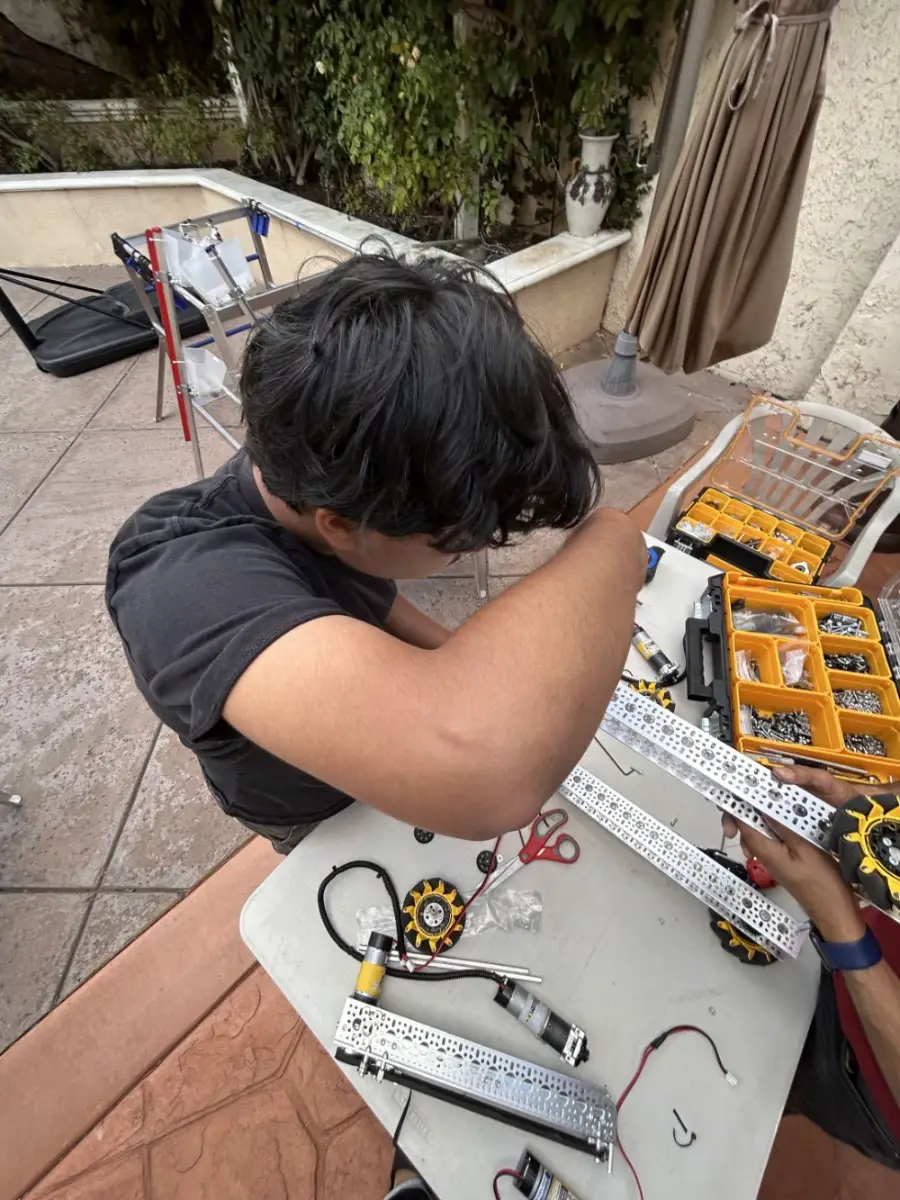
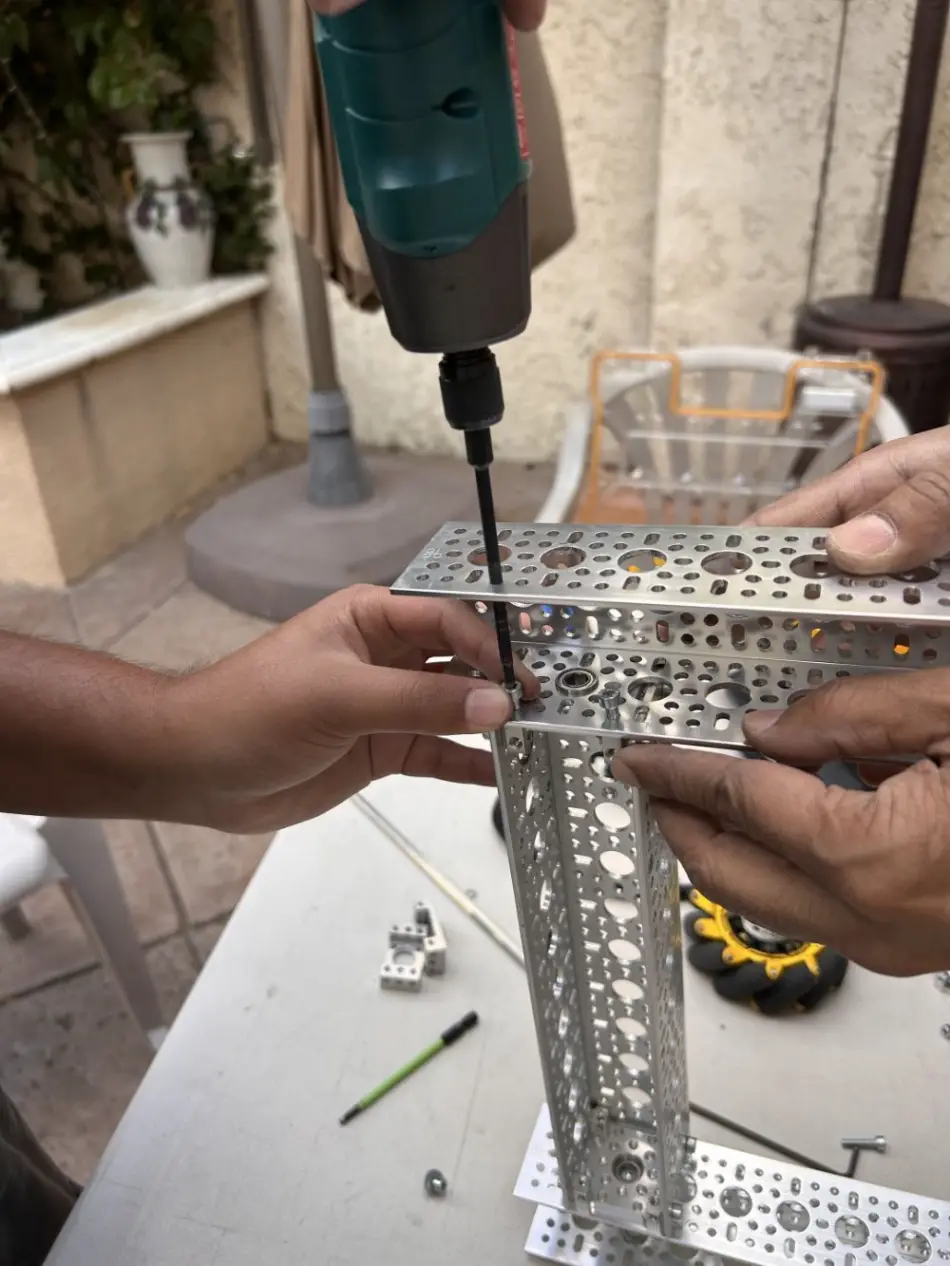
One garage, one patio table, and whatever the drill press will hold.

Each match is two and a half minutes. Two moments decide it.
Drivers can’t touch the controls. Tips that land during the 8-second handoff still count as auto.
Flowers can’t be scored yet. Every tip releases one more Nectar from your alliance area, so tips now pay off twice.
The rest of your Nectar comes onto the field and Flower scoring opens. Most points are scored after this.
The train whistle blows. A Flower can change owners on the last ball, so nothing is decided until the buzzer.
the field
The field is a 144-inch square of foam tiles. One Hive sits in the center, and four Flowers are mounted on the walls. Red is on the left from the audience’s view. There are four places to score, and they’re worth different amounts.

Two cells on a pivot, with one facing up. Launch balls into the upward cell until it flips. A tip is worth 20 points, ten times more than anything else, and it’s the only way to release more of your Nectar.
Four posts on the walls. They stay locked until 1:00 is left. If you own one, you get 2 points for every ball in it, even balls your opponent scored. Your lowest Nectar in a Flower adds 5 more.
A taped area in two opposite corners. Each ball inside scores 1 point for that Garden’s color, no matter who put it there. Gardens aren’t protected, so the other alliance can drive over and take balls out.
A 23 by 11 inch zone next to your alliance area. End at least partly inside it for 5 points, in auto and again in teleop. In auto, you also get 3 points just for driving off the wall.
how you score
Every point value in BIOBUZZ, from table 10-2 of the game manual. One tip is worth as much as ten balls in a Flower, so build for tips.
Launch balls into the upward Cell until the Hive flips and its damper hits the frame. Launching is the only legal way to get a tip.
Finish at least partly inside your Loading Zone.
Move off the perimeter wall during auto. It’s 3 points for driving forward.
Your lowest Nectar in a Flower scores 5 on top of the 2 it already earns.
Counted for each ball still in your upward Cell when everything stops moving.
Per ball, no matter who scored it. If you own the Flower, your opponent’s balls score for you.
Per ball. Gardens aren’t protected, so either alliance can take balls out.
1 RP if you tie.
Leave plus park adds up to 16 or more.
Four hive tips in one match.
Seven hive tips in one match.
Fouls give points to the other alliance instead of taking away yours. A minor foul is 5 points. A major foul is 20, the same as a tip.
The Cell opening is 20 by 14 inches, tilted 30 degrees, and sits between 53.5 and 65.6 inches off the floor. That 12-inch band is the whole target. The Flower opening is 4 inches wide at 21.5 inches high, and Nectar is 3.6 inches, so there’s less than half an inch to spare.
An arm can’t reach 65 inches and still fit the size limit, so this is a shooting game. We’re building the launcher first. Each Cell has four AprilTags underneath, so a camera can measure the distance instead of guessing.
what the robot has to do
The point table turns into a short list of what the robot needs. Everything below comes from the numbers on this page.
The Cell opening is five feet up. A launcher is the only mechanism that can reach it while starting inside the 18-inch size limit. It’s the first thing we’re building and what we’ll spend the most time tuning.
Pollen is 2.8 inches and Nectar is 3.6. Tips take both. If your intake and launcher only handle one size, you can’t use half the balls on the field.
Balls roll loose on the field all match. A robot that only takes balls from the human player runs out fast.
The 30-second auto period pays 20 points for a tip and 3 for leaving the wall. The AprilTags under each Cell let a camera measure distance, so the shot works no matter where the robot starts.
Parking is worth 5 points in auto and 5 more in teleop. It’s the easiest 10 points in the game, and it doesn’t need any extra mechanism.
Flowers open at 1:00. Getting a 3.6-inch ball into a 4-inch hole at 21.5 inches is tight, so this is about placing, not shooting. It’s our second mechanism, not our first.
Tips only. Each tip adds one more Nectar to the field.
Keep tipping, start claiming Flowers with Nectar.
Top off Flowers you own, then park.
the parts people miss
Four rules that are easy to miss in the game animation but change how you play.
You start with five Nectar in your alliance area and three in the Cell. Each tip lets your human player add one more to the field. At 1:00, the rest are released all at once. If you score slowly in the first minute, you’ll end up with balls you never get to use.
Flower scoring doesn’t open until one minute is left. If you score early, the ball counts, but you get a penalty. Spend the first minute on the Hive.
A Flower belongs to whoever has the top Nectar of their color in it. The owner gets 2 points for every ball inside. Your opponent can fill a Flower all match and lose all of it to your last shot.
Garden balls score 1 point each for that Garden’s color, no matter who put them there. Gardens aren’t protected, so the other alliance can drive over and empty yours.
Setup is the same every match: four Pollen in each Flower, four in each Garden, four preloaded on each robot, three Nectar in each upward Cell, and five Nectar in each alliance area. That’s 40 Pollen on the field and eight Nectar per alliance.
the schedule
Everything on this page is a first, because this is our rookie year.
match record
No matches yet. Our first one will show up here after League Meet 1 in October, with the score, win or lose.
the trophy case
No awards yet. It’s our first season, so the case is empty. We’re aiming for Rookie All-Star.
Most of us got into robotics because someone showed us a robot first. This season we’re starting an outreach group to run demos, set up school visits, and keep events on the calendar. Kanav and Niraj lead it. We need more people who are okay emailing teachers and talking to a gym full of kids.
Coming up: drive-the-robot nights at local libraries, STEM assemblies at Bay Area middle schools, workshops where kids wire a motor and write their first code, and a joint showcase with FTC team Olympians. We’re also planning mentoring sessions for other rookie teams, covering the things nobody tells you until you’re already behind.
on the calendar
what we run
Kids wire it, code it, and drive it. Usually into a wall first.
Joining build sessions with new teams and answering the same questions we’re working through right now.
Assembly demos for younger students, with the robot doing laps behind us.
Library nights, street fairs, and maker festivals around the area.
Our own city first, with weekend drive-the-robot nights at the library. Then the schools we went to.
Assembly demos at elementary and middle schools, once the robot is reliable enough to travel.
Any new team nearby that wants help with their first drivetrain.
photos
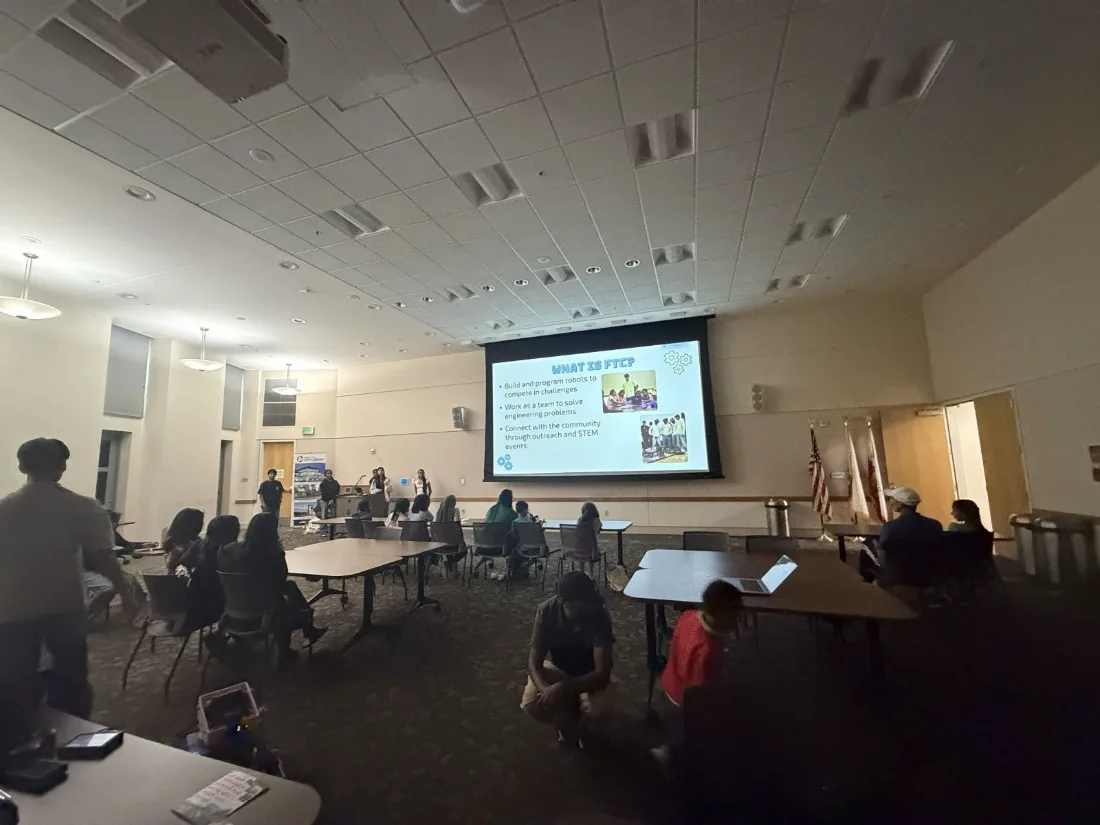
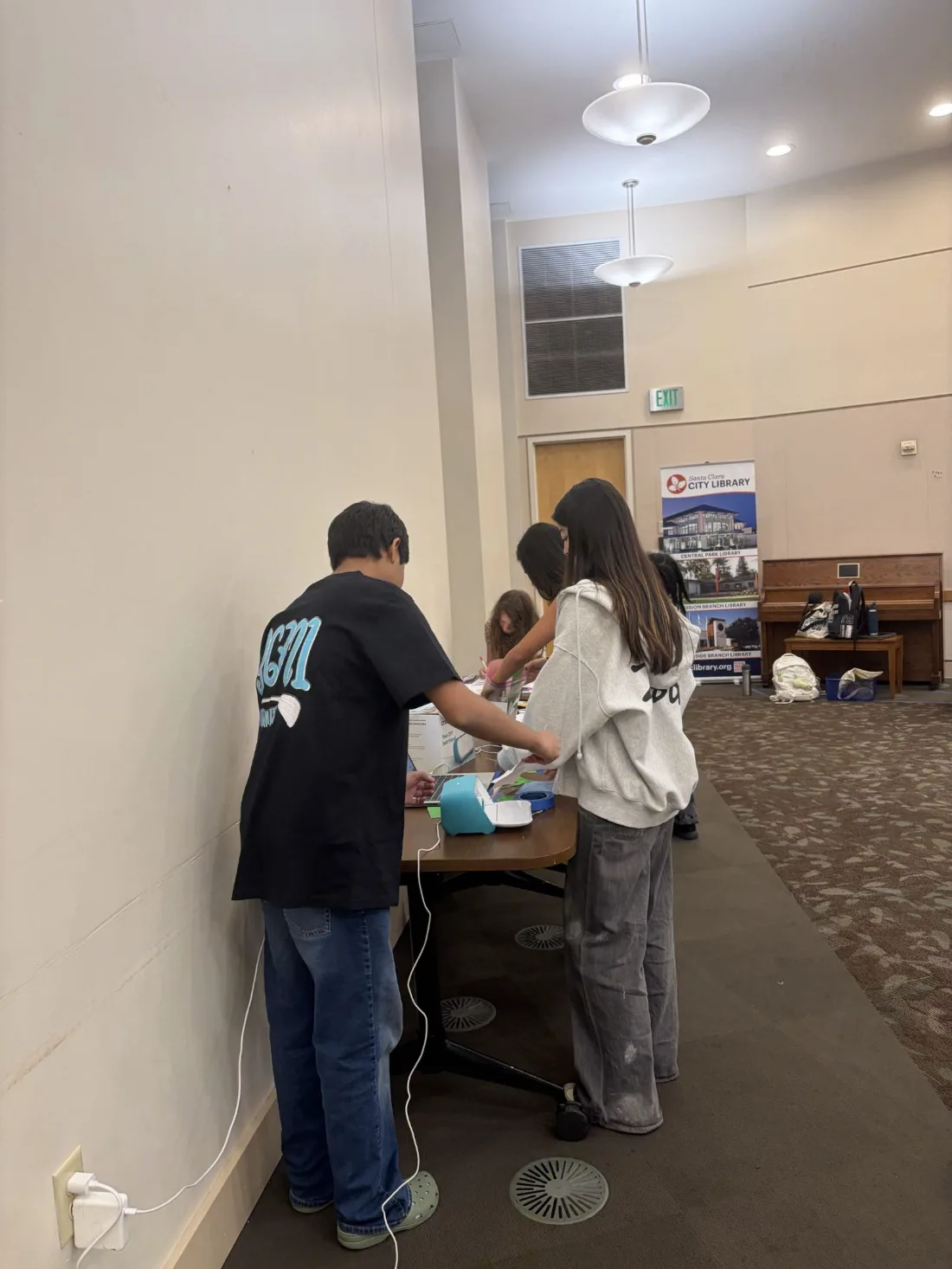
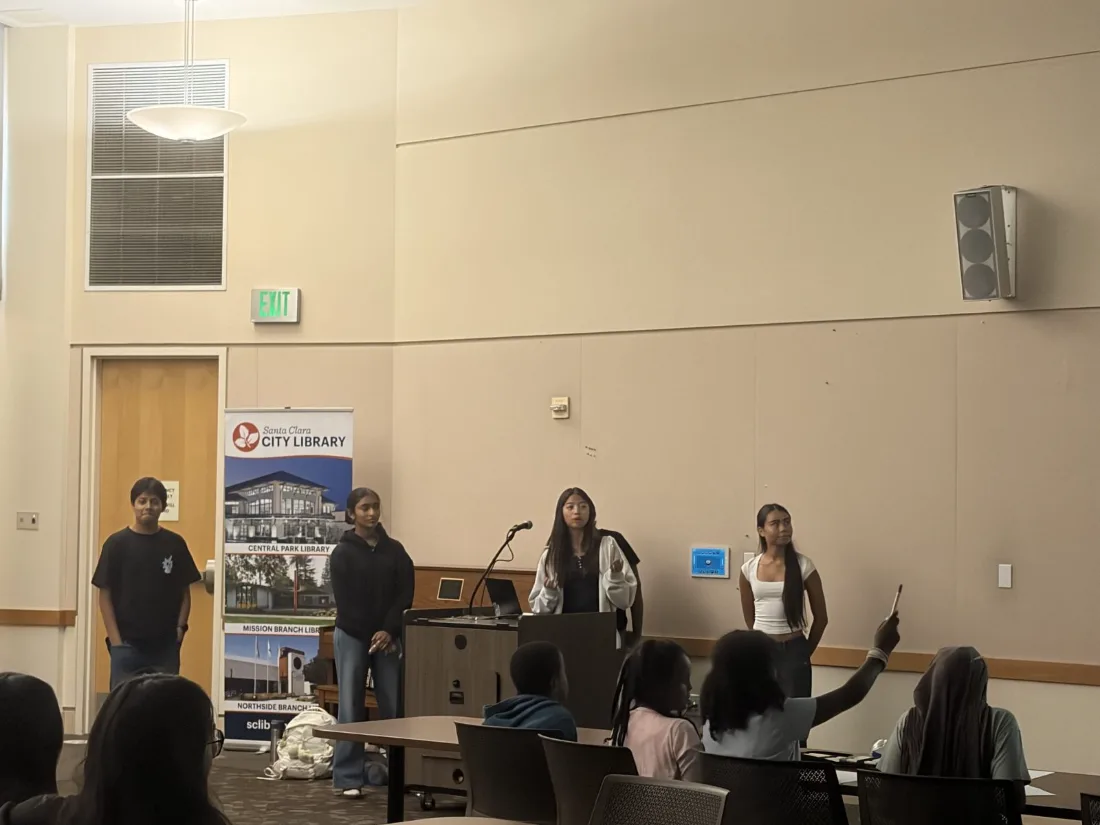
Our first event. Olympians ran the intro slides, and we brought the driver station and helped at the tables. The kids asked better questions than we expected.
Ask what we need, where your logo would go, or how the money is spent. We answer every email.
2026–27 budget
Our projected season budget is $10,000–$12,500, supporting competition, robot development, fabrication, outreach, travel, and team operations.
sponsor tiers
One-time tiers, paid through our Hack Club donation page. Custom amounts welcome. Questions about tiers or a custom amount, email us at janitorsftcteam@googlegroups.com or +1 (925) 315-6433.
Raw materials: aluminum, hardware, and a set of wheels.
logo on the site
thank-you on social
Electronics: motors, encoders, and the wiring for them.
small logo on the robot
pit banner
A full subsystem, like one swerve module or the control system that runs them.
full sized logo on the robot
dedicated page on the site
A big part of the season: parts, entry fees, and travel to events.
named our title partner in team materials
largest logo on the robot and pit banner
It’s the team’s rookie year, not the members’.
Most of us have built and driven in FTC before. This is our first season as our own team.
Students run the engineering, outreach, and fundraising. Sponsorship pays for parts and entry fees. In return, your logo is seen at every gym, library, and classroom we visit.
questions
The questions people actually ask us. If yours isn’t here, email janitorsftcteam@googlegroups.com.
Where does the money actually go?
Parts, entry fees, and travel. A season costs us $10,000 to $12,500. About half goes to the robot, about a quarter to event registration, and the rest to tools, field pieces, and getting six people and a robot to events. Our spending is public on our Hack Club donation page.
Is a donation tax deductible?
Our money is held by Hack Club Bank, which is run through The Hack Foundation, a 501(c)(3) nonprofit. Donations through our donation page go through them, and you get a receipt. Check with your accountant before claiming it, and ask us if you need the EIN.
What do we get for sponsoring?
It depends on the amount. Every tier puts your logo on our site and hoodies. At $500 and up, it also goes on the robot, so it’s seen at every gym, library, and classroom we visit. Title partners are named in our team materials and get the biggest spot on the robot and pit banner.
Can we donate materials instead of money?
Yes, and sometimes that helps even more. Aluminum, fasteners, 3D printer filament, machine time, and shipping credit all go straight into the build. Tell us what you have, and we’ll tell you honestly if we can use it.
You are a rookie team. How do we know you will compete?
Fair question. The team is new, but most of us aren’t. Our members have competed in FTC, FRC on team 7419, and VEX V5. We’re registered for the 2026/27 BIOBUZZ season with six events planned, our drivetrain is built and turning, and we’ve already raised over $7,000. Our first meet is in October 2026.
What is FTC, and what is BIOBUZZ?
FIRST Tech Challenge is a robotics competition for students in grades 7 through 12. Every year, FIRST releases a new game, and teams design, build, and program a robot to play it. BIOBUZZ is the 2026/27 game. Our season page explains how it scores.
How do we join the team?
Email us. We meet in Dublin, CA, and we’re looking for people who want to build, program, or help with outreach. You don’t need experience, and we’ll teach you the tools. Tell us what you’re interested in, and we’ll get you to a meeting.
our sponsors
We’re a rookie team, so these spots are open. Sponsor us and your logo goes here, on the robot, and on our hoodies. get in touch.


our coaches
Keeps track of the paperwork, the calendar, and registration deadlines.
A builder and lifelong DIYer with years of experience on CNC machines, 3D printers, and woodworking. I enjoy using my hands and my head to design, fix, and improve things, and I like coaching kids through that same process. Some of my projects: neerajjuneja.com
engineering
portfolio
We write down every decision we make on the robot while we still remember why. What we tried, what broke, and what we changed.
Every build week, we photograph what we made, save the CAD, and write a dated entry with the problem, the options we looked at, and what we cut. Before our first competition, we’ll put the season into one PDF and have teammates who didn’t work on that part read it fresh.
entries
One so far. The rest fill in as we build them.
swerve drivetrain, v1
four modules, built and turningThere are three common drivetrains, and we picked the hardest one. Tank drive is simple but can’t move sideways. Mecanum slips when it gets pushed. Swerve keeps full grip while pointing any direction, so we can drive out of a pin instead of getting stuck.
The tradeoff is four modules to build, four to tune, and code that controls all of them at once. We decided it was worth it, and the offseason is the cheapest time to break things.
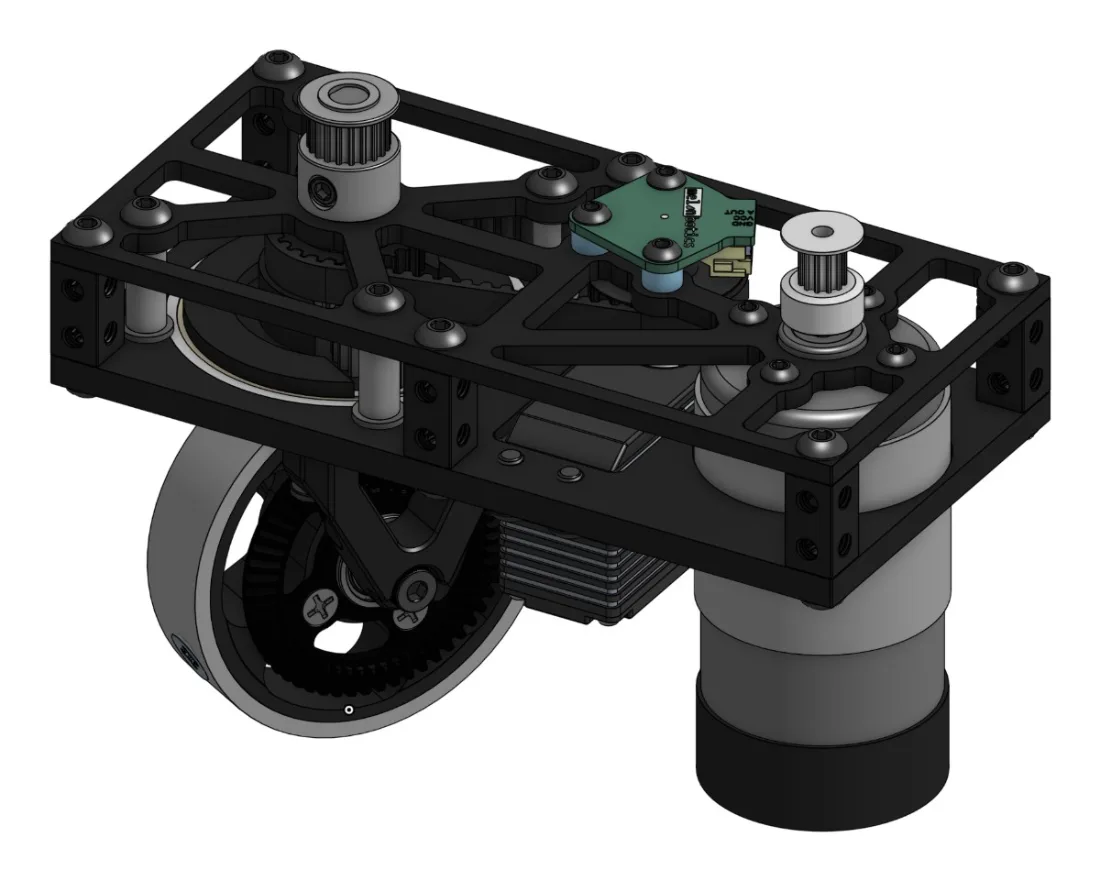
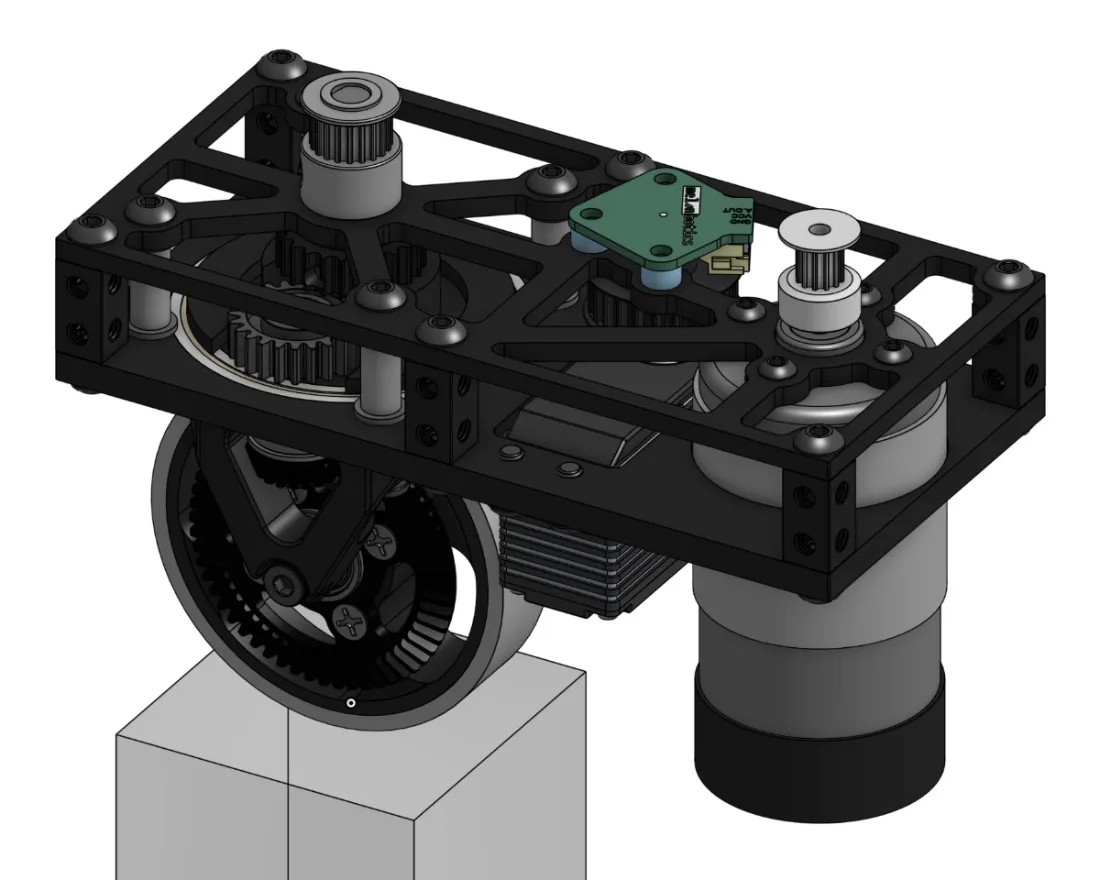
Next, we tune all four modules so they work together, then add field-oriented drive. None of this has been tested in a match yet.